Master of Occupational Therapy Fieldwork
What is Fieldwork?
Fieldwork education is a crucial part of professional preparation and is best integrated as a component of the curriculum design. The fieldwork experience is designed to promote professional reasoning and reflective practice, transmit the values and beliefs that enable ethical practice, and develop professionalism and competence in career responsibilities. Fieldwork experiences should be implemented and evaluated for their effectiveness by the educational institution. The experience should provide the student with the opportunity to carry out professional responsibilities under the supervision of qualified personnel serving as a role model. The academic fieldwork coordinator is responsible for the program’s compliance with fieldwork education requirements” (ACOTE, 2023).
Level I Fieldwork
Level I fieldwork is an opportunity for students to practice observation skills, professional behaviors, and application of occupational therapy theory. “Level I fieldwork may be met through one or more of the following instructional methods: Virtual environments, simulated environments, standardized patients, faculty practice, faculty-led site visits, supervision by a fieldwork educator in a practice environment” (ACOTE, 2023). At Alliant University, Level I fieldwork will be during week 9 or 10 of the trimester, lasting 1 full week for the first four trimesters. These fieldwork experiences will coordinate with the process course being taken that particular trimester.
Level II Fieldwork
“The goal of Level II fieldwork is to develop competent, entry-level, generalist occupational therapists. Level II fieldwork must be integral to the program’s curriculum design and must include an in-depth experience in delivering occupational therapy services to clients, focusing on the application of purposeful and meaningful occupation and research, administration, and management of occupational therapy services. It is recommended that the student be exposed to a variety of clients across the lifespan and to a variety of settings” (ACOTE, 2023). Following the first four trimesters of didactic coursework, students will complete two 12-week rotations at two different sites, in two different types of practice settings. There is a high likelihood that students will have to travel for these rotations.
Fieldwork Learning Objectives
- Level I Fieldwork Learning Objective
- Level II Site Specific Learning Objectives (for students and fieldwork educators to review)
Academic Fieldwork Coordinator (AFWC)
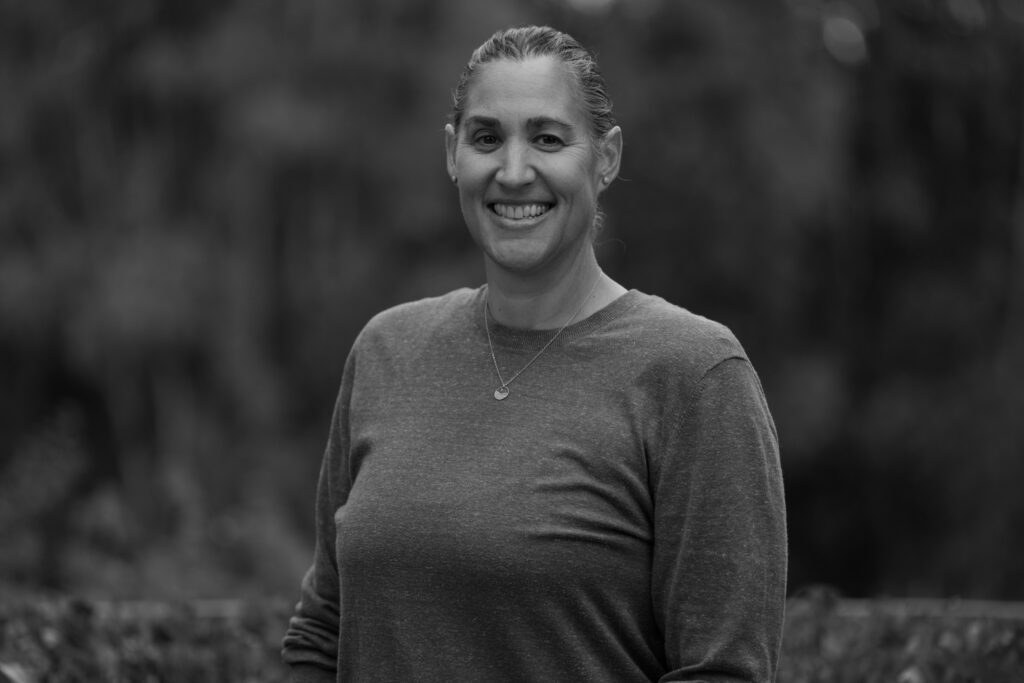
The academic fieldwork coordinator (AFWC) is the faculty member responsible for the successful implementation of fieldwork education. The AFWCs work directly with sites and are the University’s direct contact for fieldwork educators at clinical sites.
Courtney Bale, OTR/L
Academic Fieldwork Educator
[email protected]
858-635-4695
For Fieldwork Educators
Resources
- OT/OTA Student Supervision Requirements
- Commission on Education – Guidelines for Occupational Therapy Fieldwork Education
- Fieldwork Educator Certificate Workshop
- Intentional Fieldwork Education Model Modules Participation (musc.edu)
- The Intentional Fieldwork Education Model Journal Article
- California Occupational Therapy Fieldwork Council
- AOTA Fieldwork Management
- AOTA Level II Fieldwork Support
- The American Occupational Therapy Association Self-Assessment Tool for Fieldwork Educator Competency (SAFECOM)
- Recommended content for Fieldwork Educators to create a Student Fieldwork Manual
- Grasha-Riechmann Teaching Styles Overview
- Sample Level II Fieldwork Progression
- How to incorporate EBP into Fieldwork Practice
- Refer to the Master of Occupational Therapy Student Fieldwork Handbook for comprehensive information on fieldwork policies, procedures, student responsibilities, and more.
- Sample weekly meeting form
- Student Well Being Quick Reference Guide
Fieldwork Forms
Level I
- Level I Fieldwork Competency Evaluation
- Level I Fieldwork Supervisor Form (completed by Fieldwork Educator prior to the start of the fieldwork experience)
- Level I Fieldwork Evaluation of the Student (completed by the educator after the Level I fieldwork experience)
Level II
- Fieldwork Performance Evaluation (FWPE)
- Student Evaluation of Fieldwork Experience (SEFWE)
- The American Occupational Therapy Association Self-Assessment Tool for Fieldwork Educators (SAFECOM)
- AOTA Fieldwork Educator Competency
- Sample Student/Supervisor Weekly Review Form
- Level II Fieldwork Collaboration Form (completed by the Fieldwork Educator prior to the start of the Level II fieldwork experience)
Frequently Asked Questions
Student Fieldwork Resources
ACOTE (Accreditation Council for Occupational Therapy Education): ACOTE’s website offers a wealth of information, including fieldwork resources, guidelines, and educational standards. It’s a valuable source for understanding the expectations and requirements for fieldwork.
AOTA (American Occupational Therapy Association): The AOTA provides resources, publications, and guidelines related to occupational therapy practice and education. Their website contains information and documents related to fieldwork.
Supervisors and Preceptors: Occupational therapists and other healthcare professionals are essential resources. They offer direct guidance, mentorship, and real-world experience.
Textbooks and Journals: Consult textbooks and journals related to occupational therapy, especially those that focus on your specific fieldwork area (e.g., pediatrics, geriatrics, mental health). These resources can offer insights and evidence-based practices.
Occupational Therapy Associations and Conferences: Attend occupational therapy conferences, workshops, and seminars offered by professional associations. These events can help you network, learn about the latest research and best practices, and connect with experienced practitioners.
Accreditation Council for Occupational Therapy Education. (2023). 2023 Accreditation Council for Occupational Therapy Education (ACOTE®) Standards and Interpretive Guide. https://acoteonline.org/accreditation-explained/standards/