Welcome to Project Evolve
Planning thoughtfully for Alliant University’s next 100 years.
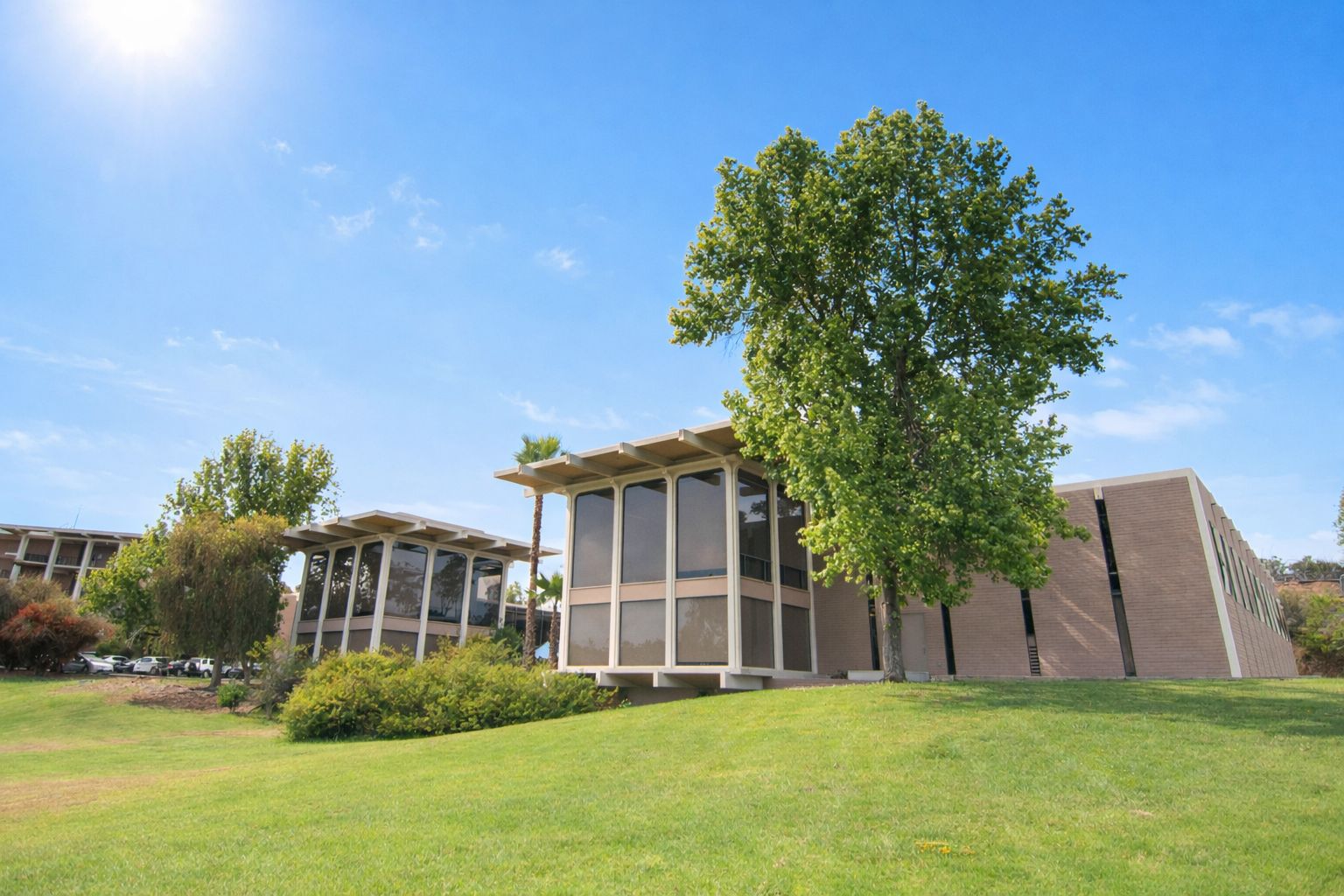
Alliant University continues to experience enrollment growth and expansion. Total Alliant student enrollment has increased 32% over the last five years; the Alliant School of Nursing and Health Sciences recently opened at the new Phoenix campus with a 92.86% first-time NCLEX pass rate among MSN-DE students; four new academic programs will launch over the next 18 months; Alliant is one of the largest providers in credentialing K12 teachers in California, with over 1,000 new teachers last year graduating from the Alliant School of Education; and Alliant’s California School of Professional Psychology continues to be one of the largest providers of licensed mental health professionals in the country.
In addition, Alliant again received among the highest financial responsibility scores in 2025, as reported to the U.S. Department of Education, demonstrating its commitment to long-term success and sustainability. Our journey now continues amid rapidly changing federal policy, evolving student expectations, and significant shifts in accreditation, program delivery, and public expectations for higher education accountability.
Project Evolve is a multi-year strategy focused on growth, innovation, and sustainability, designed to support Alliant’s mission as a purpose-driven professional practice university. It brings together academic planning, responsible resource alignment, and innovation to ensure Alliant remains affordable, relevant, and focused on student success.
As student needs, federal policy, and workforce expectations continue to evolve, the University must regularly assess how programs are delivered and where resources can have the greatest impact. Project Evolve reflects this responsibility and is grounded in data, market demand, and strategic oversight by University leadership and the Alliant Board of Trustees.
Project Evolve is about ensuring Alliant continues to excel at preparing students for professional practice and meaningful careers, while adapting responsibly to a changing higher education landscape. The strategy focuses investment in programs and delivery models informed by enrollment trends, workforce demand, and long-term sustainability.
Andy Vaughn, President and CEO of Alliant University
Why Project Evolve?
U.S. higher education is entering the most volatile and complex period in its history. These changes are structural, not cyclical, and they require institutions to plan differently than in the past.
Key realities shaping Project Evolve include:
- Federal policy and higher education regulatory changes are now driven by acts of Congress rather than executive action, creating long-lasting shifts regardless of political administration
- Elimination of the Grad PLUS loan program for new students after July 1, 2026, combined with lower Stafford loan limits for most graduate programs. Although most existing and active Alliant students enrolled before July 1, 2026, will have access to Grad PLUS through June 30, 2029, and old loan limits, new students after July 1, 2026, will have different funding options.
- Significant reductions in federal grant funding across the higher education sector
- Accreditation Reform: With pressure to reduce program delivery costs without compromising quality, this will be the next major evolution within higher education, and changes in program design can be expected. The U.S. Department of Education expects accreditors and institutions to collaborate to deliver excellent, measurable student outcomes while embracing innovative teaching methods and reducing costs.
- Market demand is changing as master’s level programs continue to see double-digit enrollment growth, as doctoral program enrollment remains flat or is in decline nationally
- Modality preferences from new students continue to move towards more hybrid and online learning options versus complete onsite learning programs
- Rapid technological change, including AI, will reshape education delivery over the next five to ten years. Alliant will redeploy its resources to remain a leader in a rapidly changing, innovative higher education market.
Across all of these shifts, one theme is consistent: students want to take on less debt, pay lower tuition, and receive education delivered in ways that reflect modern professional and technological realities.
Project Evolve ensures Alliant is prepared for these changes while protecting student outcomes and long-term institutional health.
The Pillars of Project Evolve
1. Preparing for New Federal Loan Realities
Beginning July 1, 2026, new federal student loan regulations will fundamentally change how graduate education is financed.
Alliant’s response includes:
- Academic program evaluation and modeling to assess program length, unit counts, cost per unit, and term structure (semester, trimester, 8-week)
- Program and campus viability modeling based on new Stafford loan caps and Grad PLUS elimination
- Enrollment impact modeling related to federal loan eligibility changes for Clinical Psychology and MFT programs
- Clear student communication strategies to help new students begin programs before July 1, 2026, where possible, to maintain legacy loan eligibility
- Redesign of prospective student communications to explain financing options and return on investment
- Ongoing faculty and staff town halls to maintain transparency and alignment
2. Innovation, Affordability, and Access
Alliant is committed to becoming one of the most affordable providers of accredited, licensure-aligned graduate education while maintaining strong outcomes.
Key initiatives include:
- Hybrid and distributed PhD models to reduce tuition and expand national access
- Low-residency PsyD programs to lower living expense borrowing, and increase flexibility
- 25/25 Commitment: Leading in student outcomes while remaining among the most affordable 25% of comparable programs. Goal: BE in the top 25% of program outcomes, completion rates, and licensure rates, and the bottom 25% of tuition price.
- Accreditor collaboration to lower infrastructure costs and pass savings to students
3. Differentiation
As markets retract, institutions must differentiate to grow.
Alliant is strengthening its value proposition through:
- Alliant+ stackable degree pathways that allow students to add advanced credentials at reduced cost
- Brand evolution with a simplified name, new visual identity, and enhanced storytelling through video and digital platforms
- Customer service excellence through the Alliant “Blue Carpet” experience, establishing clear service standards across the University
4. Growth, Expansion, and Investment
Project Evolve is fundamentally a growth strategy.
Alliant is investing in:
- New academic programs, including Occupational Therapy (2026), Speech-Language Pathology (2027), Applied Behavioral Analysis (2026), Master’s in Clinical Psychology (2026), and a new low-residency PsyD program (2027)
- Campus expansion and modernization:
- Multi-million-dollar investment in a new Alliant Northern California flagship campus in Sacramento, opened in January 2026
- Extensive expansion and remodels at the San Diego campus
- Continued record growth at the Los Angeles campus
- Rapid expansion of the Phoenix campus, now home to the School of Nursing and Health Sciences
- Alliant has invested over $8m over the last two years in academic programs
- Online and hybrid education, now serving the majority of Alliant students and representing the largest share of revenue. In 2016, only 1% of Alliant students were online, and by 2026, that had grown to be 60% of Alliant’s student population. This will increase to 75% by 2030.
- Future geographic expansion: Texas markets are under evaluation for Health Sciences expansion due to strong population growth, documented healthcare workforce shortages, and favorable clinical partnership capacity. Based on market demand modeling, Alliant intends to seek Board approval in 2026 to open its next Health Sciences campus in a major Texas metro area.
- Debt reduction: Alliant’s debt is now zero as we continue to maintain financial stability and sustainability. Alliant is proud to be a debt-free institution, allowing us to invest responsibly in new programs and campus sites when it makes sense and aligns with our mission.
5. Strategic Portfolio Alignment and Campus Planning
As a direct result of the federal loan changes addressed in Pillar 1, along with shifting market demand in smaller markets and at small-branch satellite sites, Alliant must also evaluate which academic programs and campus locations can be sustained under new student financing realities and market changes. Smaller branch and satellite campus sites are being phased out across the country because they have been cost-prohibitive for most institutions, and this trend will only worsen under the new realities of federal policy being rolled out in 2026.
These actions at Alliant are not being taken because of a financial struggle or crisis today, but as strategic moves for the years ahead, as major legislative and regulatory changes impact the entire higher education sector.
Alliant continues to maintain one of the highest financial responsibility scores as reported to the U.S. Department of Education, has no debt, and is actively planning expansion in 2026 with new degree programs and locations.
Alliant’s student enrollment has grown by 32% over the last five years, driven largely by online and hybrid programs and by the larger main and flagship campuses. Online student enrollment has increased from 1% of the total student population in 2015 to over 60% in 2026. The Los Angeles on-site campus has seen a 40% increase in student enrollment over the last five years, and significant growth has also been observed at Alliant campuses in San Diego, Phoenix, and Sacramento.
Alliant’s enrollment growth over the past 5-10 years has been strong and steady, yet not consistent across all campuses or programs. The institution continues to plan strategically for the next decade, with a plan that best supports continued growth and sustainability.
Alliant’s approach includes:
- Direct involvement in Washington, D.C., with Alliant representation on the Department of Education negotiated rulemaking committee that studied and helped draft 17 new federal higher education regulations, and first-hand knowledge of long-term impacts
- Comprehensive academic, enrollment, and financial modeling across programs and campus locations
- Assessment of long-term program sustainability under new federal Stafford loan caps and the elimination of the Grad PLUS loan
- Analysis of student financing patterns, including reliance on Grad PLUS loans for living expenses and private loan qualification rates
- In-depth dialogue and coordination with private lenders who will enter the student loan market in late 2026, understanding medium and long-term patterns that will emerge in the private student loan market.
- Identification of small branch campus locations where enrollment is projected to decline in ways that are not sustainable over time
- Strategic reinvestment of resources into larger campuses, online and hybrid education, and high-demand programs
- Long-term campus planning focused on scale, access, affordability, and student success
As part of this work, and within Project Evolve’s long-term planning framework, Alliant has decided not to renew leases for three of the smallest branch campuses and satellite locations over the next four-to-five years, when their current leases expire in 2030 and 2031. The decision to stop new enrollments now would align with the graduation of active and continuing students, the expiration of the last faculty contracts over many years, and the expiration of leases over the next four-to-five years. All Alliant active and continuing students will complete their regular academic program at their campus with the usual support.
These locations are:
- Irvine (branch campus): will operate through 2030 or 2031
- Fresno (branch campus): will operate through 2031
- Emeryville (branch campus): will operate through 2031
For more specific information on each campus, please click the above.
All currently enrolled students at these locations will be supported through completion of their academic programs, and all faculty contracts will be honored as written.
These three branch campuses represent approximately 6% of Alliant’s total student population and 7% of faculty and staff. All impacted students and employees have already been informed and are receiving direct communication and support.
This decision:
- Is not an immediate campus closure as we continue to operate at these three branch campus sites for the next five years
- Is not an indication of financial distress
- Does not affect Alliant’s financial stability or long-term viability
Rather, it reflects a strategic, forward-looking decision to align campus locations with changing federal loan realities, student financing patterns, and long-term enrollment sustainability. The national trend across all colleges and universities is fewer small satellite branch campuses and a greater focus on large main-campus sites, as online/hybrid growth continues and resources for on-site campuses shift toward larger, more sustainable locations. The small branch campus model is increasingly under pressure and is not aligned with current student demand, which is shifting toward online/hybrid and toward larger main and flagship campuses. Many universities have closed branch campuses in recent years and continue to do so.
Student FAQs
1. Will the non-lease renewal at Emeryville, Fresno, or Irvine affect my ability to complete my degree?
No. Project Evolve is designed to protect students’ ability to complete their program successfully. These leases will continue for another 4-5 years, and all currently enrolled students will be supported through completion of the program they enrolled in, with continued access to academic advising, faculty, and student services.
2. How will federal loan changes affect students?
Beginning July 1, 2026, new federal regulations will change student loan limits for new students. Project Evolve ensures Alliant is proactively preparing for these changes by redesigning programs, expanding financing options, and clearly communicating timelines and options to prospective and current students so they can make informed decisions. Most existing and continuing Alliant students enrolled and receiving Title IV funding prior to July 1, 2026, will have access to the old loan limits and to the continuation of Grad PLUS in most situations through June 30, 2029.
3. Will new programs or delivery options be available?
Yes. Project Evolve includes the launch of new academic programs and expanded delivery models, including online, hybrid, and low-residency options, designed to improve access, flexibility, and affordability while maintaining licensure alignment and academic quality.
4. Will tuition or total program cost change?
There are no plans to increase any programs or tuition beyond the typical small increase that occurs every one to two years.
5. Where can I find additional support or ask questions?
Students are encouraged to speak with their academic adviser or the student services team. Updates and resources related to Project Evolve will also be shared through this website and University communications. Students can also reach out to ask@alliant.edu directly with questions.
Faculty & Staff FAQs
1. How are faculty involved in program redesign and innovation?
Faculty play a central role in Project Evolve. Faculty expertise is critical to program evaluation, accreditation planning, curriculum design, and innovation efforts, particularly as programs evolve to meet changing student and workforce needs. At the three branch campus sites that will wind down over the next five years, Alliant leadership will work with local faculty to secure contract extensions to ensure adequate faculty support for all students enrolled in programs at these sites.
2. How will staffing and program decisions be communicated?
Alliant is committed to transparent, ongoing communication. Faculty and staff will receive updates through town halls, department meetings, and direct communications as Project Evolve progresses.
3. Will Project Evolve impact faculty contracts?
Faculty contracts will continue to be honored as written, including multi-year commitments. We will follow established academic and contractual processes.
4. Where can faculty and staff ask questions or get updates?
Faculty and staff may raise questions through leadership, HR, or during scheduled town halls. This website will also be updated regularly with information and resources related to Project Evolve.
General FAQs
1. Is Project Evolve a response to financial distress?
No. Alliant University is financially stable and debt-free. Project Evolve reflects proactive, long-term planning in response to structural changes in higher education, not a financial crisis. Alliant continues to have a high financial responsibility composite score, as verified through external audits and as reported annually to the U.S. Department of Education.
2. How long will Project Evolve last?
Project Evolve is a multi-year strategy that will guide decision-making over the next five to ten years. It is designed to adapt as higher education continues to evolve.
3. How does Project Evolve align with Alliant’s mission and values?
Project Evolve directly supports Alliant’s mission as a professional practice university with purpose. It prioritizes affordability, licensure alignment, student outcomes, and responsible resource stewardship.
4. How are the San Diego, Los Angeles, Phoenix, and Sacramento campuses impacted by Project Evolve?
Alliant has invested millions in new campuses in Sacramento and Phoenix, major renovations in San Diego, and updates in Los Angeles. Alliant remains committed to these locations in the long term and will continue to expand in the right geographic and online/hybrid markets in the coming years.
Contact and Updates
This page will be updated as Project Evolve progresses.
Alliant is committed to clear, timely communication as Project Evolve progresses, and we encourage community members to stay engaged through these established channels.
Questions: We will reply to your comments and questions. Send an inquiry through the comment box below, or send an email to: ask@alliant.edu