MAE in School Counseling with Pupil Personnel Services Credential
Become an advocate and guide for your students.

Online Master’s Degree in School Counseling Overview
As a professional school counselor, the difference you make in students’ lives may take years to manifest, but the impact you make can last a lifetime. This master of arts in education with a PPS Credential in school counseling degree program prepares you to provide counseling and school-based mental health support for K-12 students who need to overcome personal and academic challenges or plan for life after high school.
As specialists in child and adolescent development, school counselors coordinate the objectives, strategies, and activities of a comprehensive counseling program, and they serve as representatives on district school guidance teams, such as school attendance review boards.
School counselors and other members of the student support team assist students in making decisions, managing emotions, coping with crises, overcoming barriers to learning, and seeking access to the core curriculum. School counselors and members of the support team help students set short and long term goals, improve attendance, reduce and resolve conflicts, and prevent youth suicide. This support team works to create a positive learning environment, teaches self-management skills, acts as advocates for students, and provides relevant academic, career, and personal/social counseling to enable students to make informed decisions toward achieving their future goals.
Program Highlights
CTC-Approved Curriculum
This masters in school counseling is approved by the California Commission on Teacher Credentialing (CTC).
PPS-Only Option
If you already have a master’s degree in psychology, counseling, or education, the PPS credential in professional school counseling is offered as a stand-alone option.
Mentorship and Fieldwork
Your professors understand the unique demands of preparing for a career in school counseling while balancing professional and personal responsibilities. Drawing from extensive experience in K-12 education, school counseling, leadership, and mental health, our faculty connect theory to practice by helping candidates apply what they learn in online coursework to real-world experiences in school settings. Many of our faculty are practicing or former school counselors, bringing current industry knowledge, practical insights, and a deep commitment to student success.
Admissions
Learn About Admissions Requirements
Faculty
Get to Know Our Diverse Faculty
Issac’s Spark
“That credential…was like my Super Bowl.”
Learn how a desire to give back to his community, paired with professional preparation at Alliant, helps Issac shape students’ futures every day as a school counselor.
Degree Information
What You’ll Learn
The MA in school counseling program covers various specific courses including, but are not limited to:
- Child Development & Learning Environments
- School Safety & Crisis Prevention
- Leadership in Advocacy & Equity
- Social Emotional Development
- Professionalism, Ethics, and Legal Mandates
- Introduction of Individual Counseling Theories
- Group Counseling and Counseling Theories
Career Paths for School Counseling Students:
Graduates of the School Counseling Program are prepared for a variety of roles supporting the academic, college and career, and social-emotional development of students, including:
- School Counselor (Elementary, Middle, and High School)
- College and Career Counselor
- Academic and Student Success Counselor
- School-Based Mental Health Counselor
- Multi-Tiered System of Supports (MTSS) Coordinator
- Student Support Services Coordinator
- Wellness Center Counselor
- Intervention and Student Assistance Counselor
- Alternative Education Counselor
- School Counseling Department Lead or Coordinator
- College Access and Outreach Specialist
- Student Services Specialist
- Educational Consultant
- Youth Development and Community-Based Program Coordinator
Links and Downloads
Frequently Asked Questions
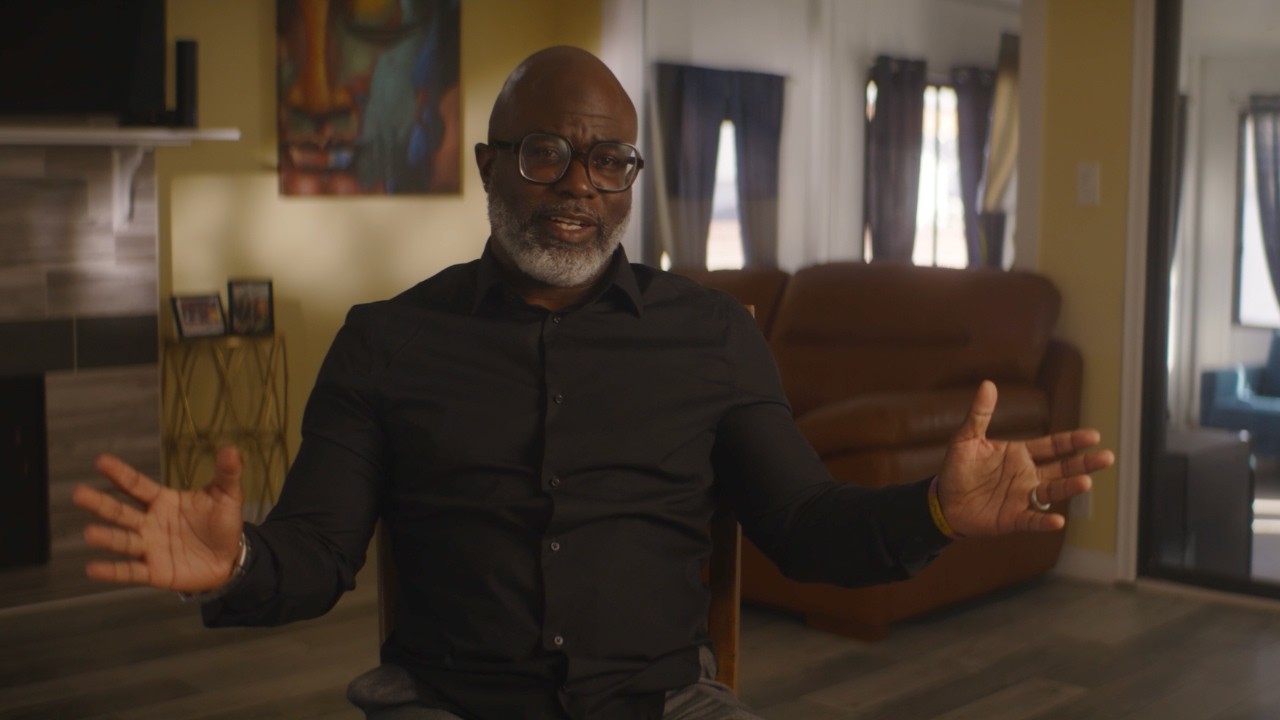
Thanks to Alliant, my knowledge and my experience as a school counselor allow me to really do a deep dive with my students and give them a true understanding of what they’re going to embark on.
Issac | School Counseling graduate