How to Become a Forensic Scientist
Updated on: February 6, 2026 | 6 minutes read
By: Diana M. Concannon
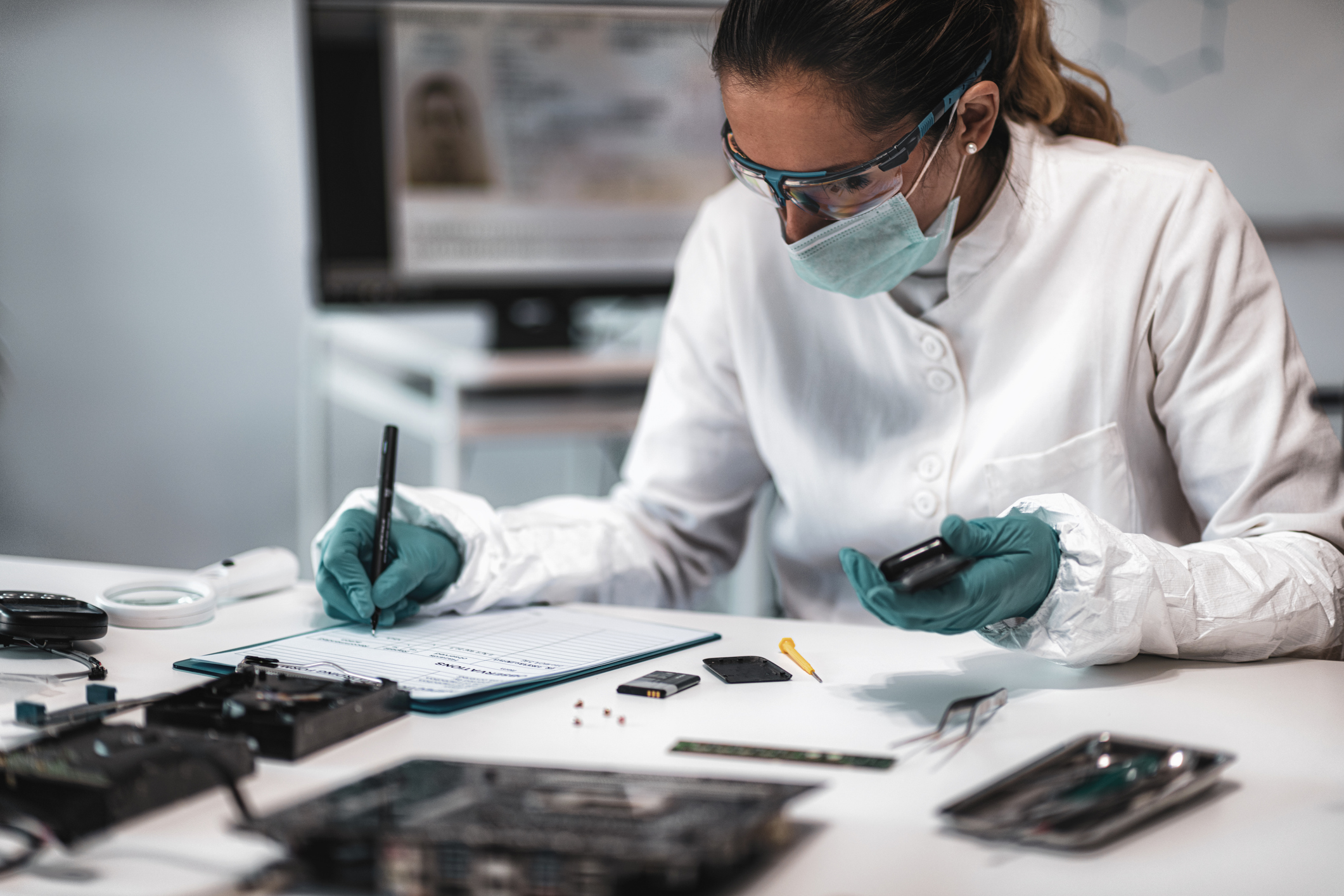
Becoming a forensic scientist is an impactful career choice that plays a crucial role in the criminal justice system. Forensic scientists are at the heart of solving crimes, analyzing evidence, and ensuring justice is served. For those considering the field, you might wonder, is forensic science a good career? Learn about the steps, education, and skills required to pursue a forensic science career. By understanding the journey to becoming a forensic science technician, you can feel more prepared and inspired to study for a Master’s in Forensic Science.
What is a Forensic Scientist?
A forensic scientist is a professional who applies scientific principles and techniques to analyze physical evidence from crime scenes. Their primary role in crime scene investigation is to assist law enforcement agencies in solving crimes by providing critical information based on their analysis1.
Forensic scientists are integral to the criminal justice system as they help to:
- Identify suspects and victims
- Determine the cause and manner of deaths
- Establish connections between suspects and criminal activities
Understanding what is forensic science is essential as it encompasses a wide range of scientific disciplines applied in legal contexts. The field of forensic science is vast, encompassing several investigative science specializations, including2:
- DNA Analysis: Examining biological samples to identify individuals.
- Toxicology: Analyzing bodily fluids and tissues to detect the presence of drugs and poisons.
- Ballistics: Studying firearms, ammunition, and the effects of their use.
- Trace Evidence Analysis: Investigating small pieces of evidence such as hair, fibers, and paint.
Educational Requirements for Forensic Scientists
Starting a career as a forensic scientist requires a solid educational foundation. The path to becoming a forensic scientist typically involves several educational and experiential steps that can take from four to eight years, depending on the level of education pursued and the specific field of specialization. A typical forensic science major educational path includes:
- Bachelor’s degree (4 years): Start with a bachelor’s degree in forensic science or a related field like chemistry, biology, or criminal justice. These programs provide fundamental knowledge in scientific principles and criminal investigation techniques.
- Master’s degree (2 years): To advance your forensic science career, pursuing a Master’s in Forensic Science, Investigation, and Technology is highly recommended. This program offers specialized training in forensic investigation methodologies, legal aspects, and advanced scientific techniques.
- Relevant courses: During your studies, focus on courses such as:
- Forensic Biology
- Forensic Chemistry
- Criminalistics
- Molecular Biology
- Analytical Techniques in Forensic Science
- Certifications and training (varies): Additional criminal investigation certifications, such as those from the American Board of Criminalistics or the International Association for Identification, can enhance your credentials and expertise.
Is It Hard to Get Into Forensic Science?
Getting into forensic science can indeed be challenging due to the rigorous education and training required. Despite the challenges, a career in forensic science is highly rewarding. Forensic scientists play a vital role in the criminal justice system, helping to solve crimes and bring justice to victims through meticulous evidence analysis.
The impact of this work on society is profound, making communities safer and ensuring justice is served. This intellectual stimulation and societal contribution make forensic science an appealing and fulfilling career for those passionate about science and justice. Enrolling in a forensic science program is the first step towards making a significant difference in the world. If you are considering careers within this field, you might also explore roles like how to become a crime analyst or how to become a criminal profiler, which also play crucial roles in criminal investigations.
What Can I Do After Getting My Credentials?
Graduates with the necessary credentials in forensic science can pursue various forensic science jobs and career opportunities, including working with crime scene investigator teams, law enforcement agencies, and government bodies. They assist police departments and federal agencies in solving crimes, analyzing evidence, and providing critical insights. Employment in state and federal crime laboratories or private forensic firms is also common, where they offer specialized services to private clients, legal firms, and corporations.
In addition to these forensic science jobs, graduates can pursue academic careers, teaching and conducting research at universities and colleges. This path allows them to influence the next generation of forensic scientists and engage in innovative research. Continuous education and professional development are crucial, enabling graduates to stay updated with the latest technologies and methodologies through conferences, seminars, and workshops.
5 Forensic Scientist Essential Skills and Qualities
A forensic scientist must possess a unique blend of skills and qualities, including:
- Analytical Thinking: The ability to critically evaluate evidence and data.
- Attention to Detail: Precision in analyzing evidence and ensuring accuracy in findings.
- Scientific Knowledge: Strong understanding of scientific principles and methodologies.
- Communication Skills: Proficiency in writing detailed reports and effectively communicating findings to law enforcement and legal professionals.
- Problem-Solving Skills: Aptitude for developing hypotheses and solving complex problems.
Daily Responsibilities of a Forensic Scientist
A forensic scientist’s daily responsibilities are diverse and dynamic, often varying based on their specialization and the cases they handle. Typical activities include:
- Analyzing Evidence: Examining physical evidence such as biological samples, weapons, and digital data.
- Documenting Findings: Writing detailed reports on the results of analyses and presenting them in a clear, concise manner.
- Testifying in Court: Providing expert testimony in legal proceedings to explain evidence and findings.
- Collaborating with Law Enforcement: Working closely with detectives and other law enforcement officers to provide insights that can aid investigations.
- Conducting Research: Engaging in research to develop new forensic techniques and improve existing methods.
Career Opportunities and Outlook
Forensic scientists have a wide range of career opportunities across different sectors. Potential employers include:
- Law Enforcement Agencies: Working with police departments, federal agencies, and other law enforcement bodies.
- Government Bodies: Employment in state and federal crime laboratories.
- Private Firms: Offering forensic services to private clients, legal firms, and corporations.
- Academia: Teaching and conducting research at universities and colleges.
The Forensic Science Program at Alliant
Forensic science is an essential part of the criminal justice system, and the demand for skilled forensic scientists continues to grow. By understanding the educational requirements, essential skills, and career pathways, you can embark on a fulfilling and impactful career in this field. Alliant International University offers a comprehensive master’s program in forensic science, investigation, and technology that emphasizes practical experience, advanced scientific training, and interdisciplinary learning to advance your career as a forensic scientist.
For more information, contact our admissions team and discover how you can become a pivotal part of the justice system, solving crimes and making a difference. Check out our forensic science school in California today!
Sources:
- “Forensic Science.” U.S. Department of Justice. December 11, 2023. https://www.justice.gov/olp/forensic-science.
- “Specialties.” Illinois State Police. https://isp.illinois.gov/Forensics/Specialties.
The content of this page is only for informational purposes and is not intended, expressly or by implication, as a guarantee of employment or salary, which vary based on many factors including but not limited to education, credentials, and experience. Alliant University explicitly makes no representations or guarantees about the accuracy of the information provided by any prospective employer or any other website. Salary information available on the internet may not reflect the typical experience of Alliant graduates. Alliant does not guarantee that any graduate will be placed with a particular employer or in any specific employment position.