What is Forensic Science? Role of a Forensic Scientist
Published on: July 19, 2024 | 6 minutes read
By: Diana M. Concannon
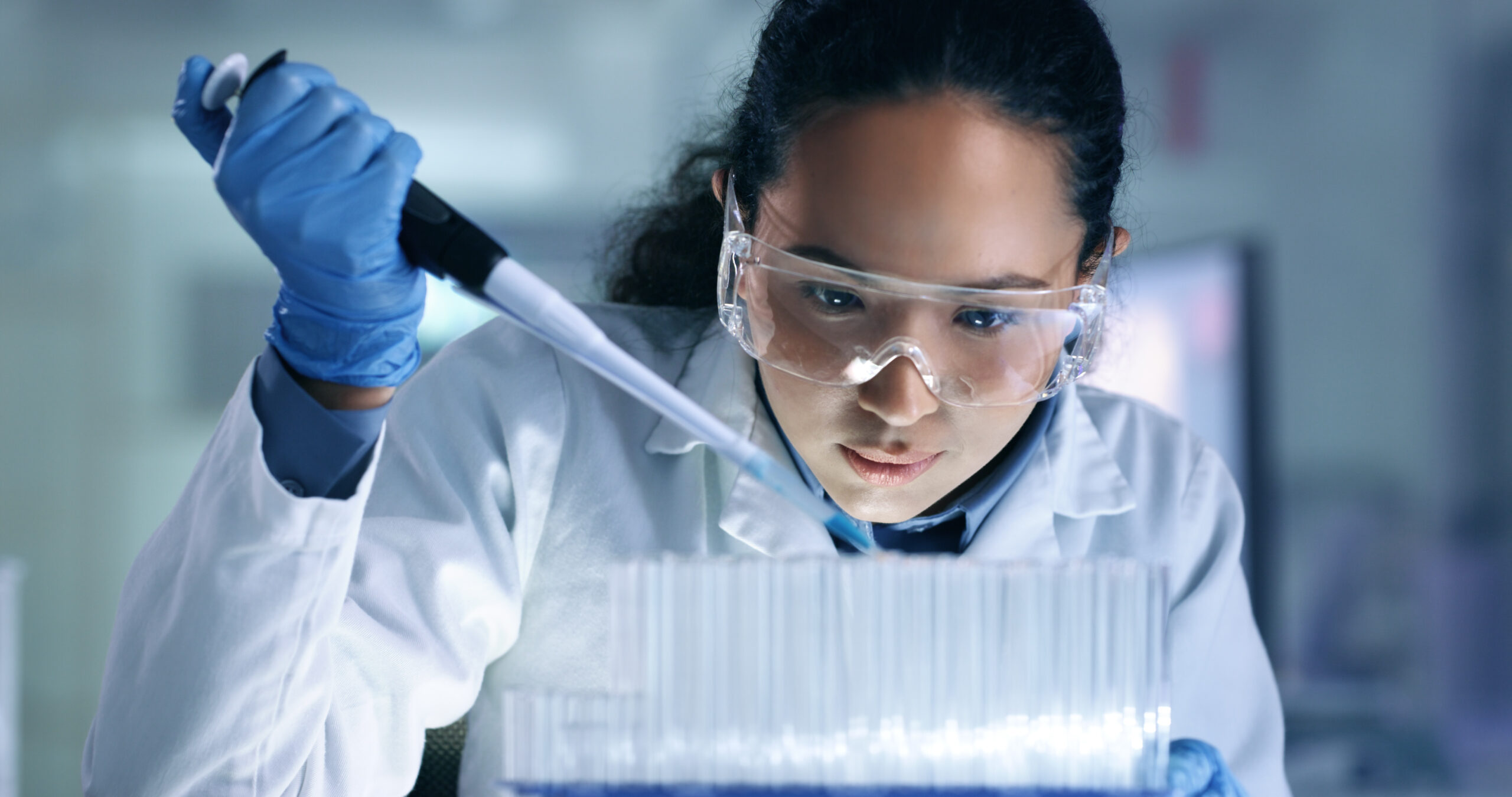
If you’re a scientist at heart exploring careers in criminal justice, you’re in luck—there are many career paths that combine both science and the law, like forensic science.
But what is forensic science exactly? How do you become a forensic scientist? And what does a forensic scientist do every day?
This guide is here to shed light on all things forensic science: the definition, career responsibilities, qualifications, and more.
What is Forensic Science?
First, a definition: what is forensic science?
According to the American Academy of Forensic Sciences, “Any science used for the purposes of the law is a forensic science.”1 Practically speaking, forensic scientists collect, analyze, and synthesize data to draw conclusions and inform interested parties—like any other scientist does.
However, forensic scientists also:
- Work with forensic data – Forensic scientists collect and assess data gathered from crime scene evidence, in many cases. However, they may also explore evidence from autopsies, compare chemical formulas in a patent- or intellectual property-related case, or take on other law-related scientific endeavors.
- Report to forensic audiences – While the root word of “forensic,” forensis, means “public,” forensic scientists don’t always report directly to average civilians like other scientists might. Forensic scientists commonly report their findings in courtrooms, to investigative staff, or to legal experts.
Forensic science is a broad career path, so forensic scientists incorporate philosophies from multiple scientific disciplines, including:
- Biology
- Chemistry
- Genetics
- Immunology
- Hematology
- Toxicology
In short, forensic scientists use scientific principles and the scientific method to contribute to the criminal justice system in an objective way.
What Does a Forensic Scientist Do?
You might find a forensic scientist:
- In a courtroom – Forensic scientists are often called to provide expert testimony or present scientific findings during court proceedings.
- At a crime scene investigation – Since objective data collection is a key task for forensic scientists, these professionals commonly gather information and evidence from crime scenes firsthand.
- Working in a lab – Forensic scientists use scientific tools (like automated or manual chemical analyzers, for instance) to observe and document data related to cases. This forensic science research and analytical work often takes place in a classic forensic laboratory environment.
Each of the above scenarios has something in common: they all require objective and precise information.2 Accuracy and attention to detail are a must for forensic science technicians and scientists.
Essential Skills and Qualifications Needed
While we’ve touched on “soft skills” like prioritizing objectivity and accuracy, forensic scientists should also have:3
- Education – Formal, science-based education is a key building block for a forensic science career. After completing an undergraduate program in a “hard” science (like biology), many forensic scientists-to-be further invest in advanced forensic science degree programs, like an master’s in forensic science or a related field.
- Certifications – Depending on your specific niche in forensic science, a license or certification may be a prerequisite for hiring. For instance, if you want to work in a crime scene lab, you may need to pursue a formal certification in clinical laboratory sciences.
Employers may also seek hires with additional experience, education, or training related to:
- The criminal justice system
- Criminal investigation or investigatory work
- Journalism and objective reporting
Day-to-Day Tasks of Forensic Scientists
The everyday life of a forensic scientist highly depends on their position and field—while some may complete crime laboratory work all day, others may solely dedicate themselves to fieldwork or research. In addition, they can work on a variety of cases both criminal and civil.
For forensic scientists specifically working on crime scene investigations, a typical day may look like:
- Reporting to a crime scene and receiving a briefing from a team leader
- Collecting and labeling evidence and other data, including:
- Biological samples
- Photographs and video
- Fingerprints and shoe prints
- Chemical samples
- Categorizing and storing evidence in a tamper-free environment
- Using lab equipment to analyze samples collected at a crime scene
- Creating objective, detailed reports of findings and data analysis
- Sharing reports with case investigators, a jury, or a legal team
The Impact of Forensic Science on Criminal Justice
Forensic science has the potential to significantly impact case outcomes, victims of crime, and the justice system as a whole.
Consider one of the most prominent examples in recent history: the O.J. Simpson murder trial.4 DNA in crime scene investigations was a relatively new concept, but case prosecutors tried their best to use the copious DNA evidence available to connect the defendant to the scene.
While there were questions of objectivity in evidence collection, there’s no doubt that scientific evidence was the cornerstone of the prosecution’s arguments in this high-profile case.
Career Opportunities in Forensic Science
Where should newly minted forensic scientists look for their first careers in the field? If you’re wondering, is forensic science a good career, skilled professionals in this field can excel in a variety of roles. Consider employers like:
- Law enforcement agencies – Any law enforcement group conducting investigatory work likely relies upon the special expertise of forensic scientists.
- Government bodies – Local, state, and federal legislative groups and regulatory agencies often require the input of forensic scientists for expert testimony, data analysis, and more.
- Private firms – Law firms, private investigators, and other non-governmental entities working in the justice system may also hire independent forensic scientists to uncover key data or serve as expert witnesses.
For those interested in alternative careers, exploring how to become a criminal profiler or how to become a crime analyst can provide insight into other roles that blend investigative skills with forensic science.
Explore Our New Forensic Science Program
What does a forensic scientist do? Simply put, they use science to provide objective information to the justice system. As such, the broad and exciting career path of a forensic science major offers ample opportunities for both law and science experts to make a positive societal impact.
If you’re considering a career in forensic science, you’ll need to start with a forensic science degree program, like the master’s of forensic science, investigation, and technology program at Alliant International University. Our curriculum relies on the most up-to-date theories and best practices to ensure graduates are prepared to pursue a variety of careers in forensic science.
Reach out today to learn more about our program.
Sources:
- “What Is Forensic Science?” American Academy of Forensic Sciences. 2024. https://www.aafs.org/careers-forensic-science/what-forensic-science. Accessed June 27, 2024.
- “Forensic Sciences.” US Bureau of Justice Statistics. 2024. https://bjs.ojp.gov/topics/forensic-sciences. Accessed June 17, 2024.
- “How to Become a Crime Lab Analyst in 6 Steps (With Salary).” Indeed. September 30, 2022. https://www.indeed.com/career-advice/finding-a-job/how-to-become-crime-lab-analyst. Accessed June 17, 2024.
- Ewing, Tia. “The Evolution of Using DNA Testing to Solve Crimes.” Fox32. March 21, 2023. https://www.fox32chicago.com/news/evolution-dna-testing-solve-crimes. Accessed June 27, 2024.
The content of this page is only for informational purposes and is not intended, expressly or by implication, as a guarantee of employment or salary, which vary based on many factors including but not limited to education, credentials, and experience. Alliant University explicitly makes no representations or guarantees about the accuracy of the information provided by any prospective employer or any other website. Salary information available on the internet may not reflect the typical experience of Alliant graduates. Alliant does not guarantee that any graduate will be placed with a particular employer or in any specific employment position.