CSI vs. Forensic Scientist: Which Role Matches Your Skills and Passions?
Published on: July 24, 2025 | 7 minutes read
By: Diana M. Concannon
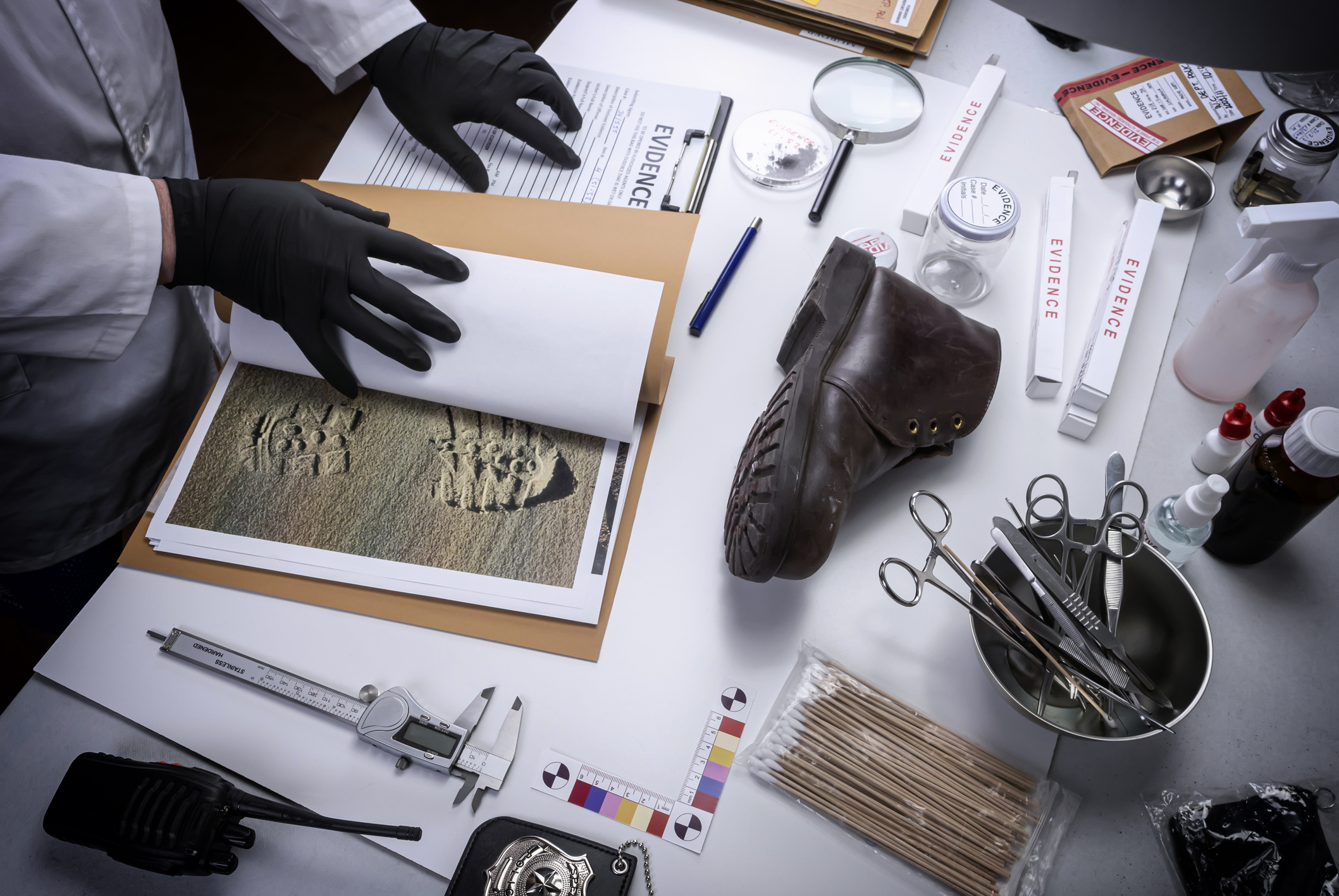
CSI and forensic science, pop culture have blurred the lines between these two terms. While professionals in both careers make valuable contributions to the criminal justice system, CSI and forensic science remain two distinct disciplines.
What is the difference between a CSI vs. forensic scientist?
Below, we break down the roles, responsibilities, and training paths for both CSI professionals and forensic scientists to help you find your ideal fit in the workforce.
What Does a Crime Scene Investigator Really Do?
Crime Scene Investigators (CSIs) document crime scenes. Specifically, they:
- Take photographs and measurements throughout the scene
- Identify and collect evidence
- Maintain proper documentation and transport of evidence
What kind of evidence do CSIs collect? Bodily fluids, footprints, fingerprints, tire tracks, hairs, fibers, debris, foreign substances—anything that could be relevant to the crime scene.
CSIs also collaborate with other professionals, like law enforcement officers and forensic science technicians. These analysts and investigators often work together to ensure that all procedures follow proper chain-of-custody protocols and that physical evidence is preserved for use in criminal investigations. Learning how to become a crime scene technician often includes mastering these procedures as part of field training and coursework.
Finally, CSIs typically perform fieldwork; after completing their work at a crime scene, they may perform additional documentation and transport evidence as needed.
What Does a Forensic Scientist Do?
Forensic scientists perform a different role. Instead of collecting evidence, they analyze evidence collected by CSIs and other professionals.1 They typically work in scientific labs and use techniques and equipment uniquely designed for scientific analysis.
Forensic scientists can also develop specialized areas of focus, like:
- Toxicology
- Ballistics
- DNA analysis
- Digital evidence
- Trace evidence examination
By analyzing evidence from a crime scene, forensic scientists can develop objective, fact-based findings related to criminal cases. This information can help support other players in the justice system (like law enforcement officers and prosecutors) as they work to solve crimes.
Importantly, this is a science and research-heavy role; forensic scientists often have ample scientific knowledge that they use on the job every day. This distinction is a key part of the conversation around forensic psychology vs. psychology, as the former applies scientific methods to criminal behavior. On the other hand, the latter focuses more broadly on mental processes and therapy.
Key Differences Between CSI vs. Forensic Scientist Roles
CSIs and forensic scientists work in different settings, use unique tools, and play separate roles in the investigative process. However, there is certainly some overlap between the two careers.
Where the Roles Overlap
While CSIs primarily perform fieldwork and forensic scientists primarily perform lab work, the roles can overlap in some circumstances, including:
- In smaller departments
- During training or professional development exercises
- On a short-term or fill-in basis
Since CSIs and forensic scientists work closely together, some teams may develop hybrid approaches or unique teamwork dynamics to meet department needs or address specific cases. Plus, both parties perform best when they collaborate:
- When CSIs know what forensic scientists are looking for, they can collect the best possible evidence and compile useful documentation.
- When forensic scientists understand the tools and capabilities of CSIs, they can set realistic expectations and communicate their needs effectively to their colleagues in the field.
Tools and Technologies Used
Of course, CSIs and forensic scientists use different sets of tools and technologies to perform their respective tasks.
CSIs rely on equipment like:2
- Digital cameras
- Gloves, forceps, bags, and other clean collection tools
- Tags, labels, and documentation tools
- Logging and logistics software and systems
- Personal protective equipment
Forensic scientists, on the other hand, use materials like:3
- Lab equipment (e.g., microscopes, centrifuges)
- Chemical reagents
- Data collection and analysis programs
- Documentation software
- Personal protective equipment
Education Requirements for Each Role
CSIs and forensic scientists typically require different types of education to qualify for their roles:
- Forensic scientists typically complete a science-focused degree program, like the MS in Forensic Science, Investigation, and Technology at Alliant International University. These programs are rooted in advanced chemistry and biology, and students engage in both classroom and lab work to hone their analytical skills.
- CSIs may enter the profession from other law enforcement positions, using their prior experience to inform their evidence collection and documentation procedures. Many CSIs also rely on hands-on crime scene training and crime scene simulations.
Students researching how long does it take to become a crime scene investigator may find that the path varies significantly depending on location, education, and whether they begin in civilian roles or transition from policing.
While educational requirements vary by specific position and jurisdiction, CSIs complete a significant portion of their training in the field; forensic scientists, on the other hand, typically pursue advanced degrees in the hard sciences to prepare for extensive lab work. CSIs and forensic scientists take different routes to their positions, but both use their unique expertise to contribute to the investigative process.
Which Forensic Role Might Be Right for You?
As you consider CSI vs. forensic scientist career paths, think about your:
- Interests: If you are passionate about photography or specimen collection, CSI might be a good fit for your interests. If you are deeply interested in biology, chemistry, and other scientific disciplines, you will likely enjoy the forensic science lab.
- Learning style: CSIs are often trained via simulations and during on-the-job sessions. They must be adaptable, learn new techniques quickly, and respond to the fast-paced environment of a crime scene. Forensic scientists must be able to process, retain, and apply extensive background knowledge to draw conclusions in the lab.
- Preferred work environment: CSIs primarily perform fieldwork; however, they may also perform desk-based tasks like data entry, documentation, and file organization. Forensic scientists do the bulk of their work in scientific labs, but they sometimes provide expert testimony in courtrooms and in other criminal justice contexts.
No matter your unique interests, approach to the workforce, learning style, and preferences, Alliant International University can help you find your dream career. Our forensics programs help support students on their paths to CSI and forensic science work.
Find Your Place in the World of Forensics
Ready to gather evidence, use your analytical skills, or flex your science knowledge—all while contributing to the justice system? Consider a career in forensics as a crime scene investigator, crime scene technician, forensic scientist or interested in earning a peer counseling certificate? We can help you build the skills, confidence, and pathway to reach the future you want.
Begin your journey at Alliant International University. Thanks to expert faculty and hands-on training, we can help you develop the skills you need to excel in today’s high-tech criminal justice system.
Learn more about our forensics master’s programs to get started.
Sources:
- “Forensic Science.” US Department of Justice. 2025. https://www.justice.gov/archives/dag/forensic-science. Accessed June 30, 2025.
- “Equipment Needed for Crime Scene Investigation.” National Institute of Justice. May 31, 2009. https://nij.ojp.gov/topics/articles/equipment-needed-crime-scene-investigation. Accessed June 30, 2025.
- “What Forensic Science Technicians Do.” US Bureau of Labor Statistics. April 18, 2025. https://www.bls.gov/ooh/life-physical-and-social-science/forensic-science-technicians.htm#tab-2. Accessed June 30, 2025.
The content of this page is only for informational purposes and is not intended, expressly or by implication, as a guarantee of employment or salary, which vary based on many factors including but not limited to education, credentials, and experience. Alliant International University explicitly makes no representations or guarantees about the accuracy of the information provided by any prospective employer or any other website. Salary information available on the internet may not reflect the typical experience of Alliant graduates. Alliant does not guarantee that any graduate will be placed with a particular employer or in any specific employment position.